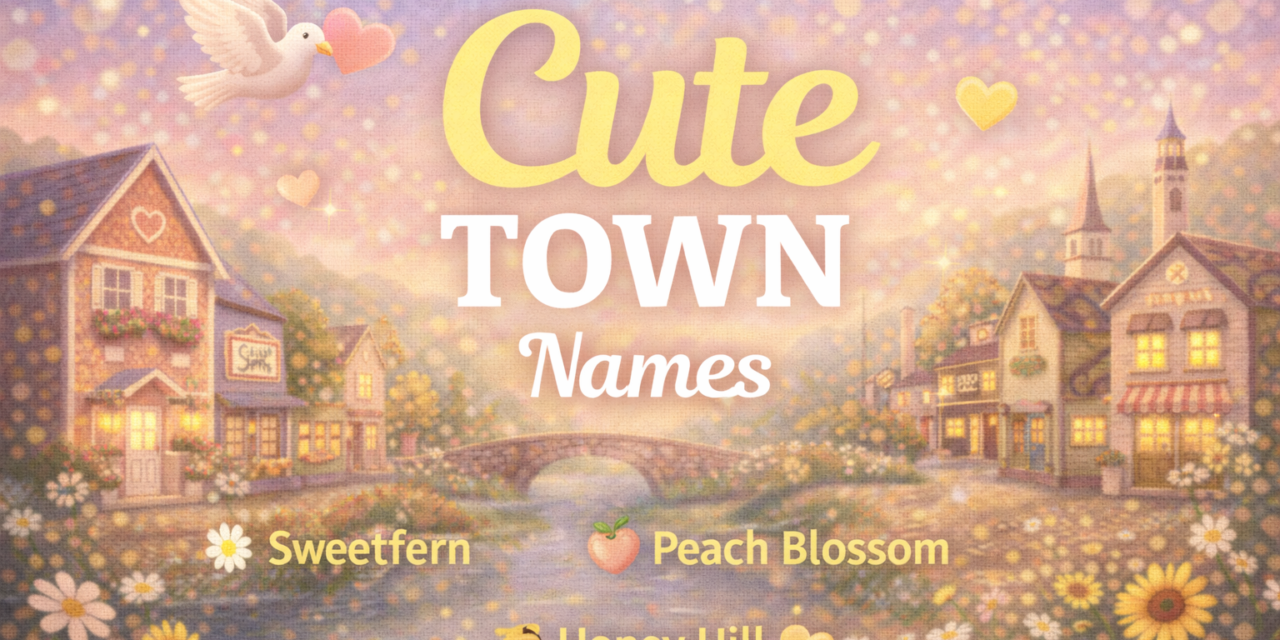
Cute town names matter because they instantly shape how you imagine a place, the people who live there, and the stories that unfold within it. When you search for cute town names, you usually want something friendly, charming, and easy to remember, especially for creative writing, games, branding, or fictional worlds.
This guide helps you understand what makes a town name feel cute, how American naming traditions influence tone, and how to choose names that feel authentic rather than forced. You will also find practical tips, real inspiration, and a carefully crafted list of 100 cute town names you can use immediately.
What Makes a Town Name Cute and Appealing
A cute town name feels welcoming the moment you read it, which often comes from soft sounds, familiar words, or gentle imagery. Names with nature references, cozy emotions, or playful syllables tend to feel more approachable than harsh or complex constructions. When you choose cute town names, you are signaling warmth, safety, and personality without needing long explanations.
In the United States, many cute town names evolved from everyday language rather than grand historical titles. Small communities often borrowed names from local creeks, flowers, animals, or even affectionate nicknames used by early settlers. This simplicity is why cute names feel believable and emotionally grounded.
You should also think about readability and pronunciation because a cute name loses charm if people struggle to say it. Short to medium-length names with clear vowel sounds usually work best. This balance keeps the name friendly while still feeling realistic.
Why Cute Town Names Work So Well in American Settings
Cute town names fit naturally into American storytelling because the country has a long tradition of small towns with personality-driven names. Across rural Appalachia, the Midwest, and coastal regions, you find towns named after feelings, landscapes, and everyday life. These names feel human because they often reflect how people experienced the place rather than how they wanted it to sound on a map.
From a creative perspective, cute town names help you quickly establish tone. A story set in a town called Maple Hollow immediately feels different from one set in Iron Ridge. This emotional shortcut helps readers or players connect faster with your setting.
There is also data behind this appeal, since surveys from branding studies show that people recall friendly-sounding place names up to 30 percent more easily than abstract or aggressive ones. That memory advantage matters if you are building a fictional world meant to stay with your audience.
Popular Themes Used in Cute Town Names
Most cute town names fall into recognizable themes that make them easy to love. Nature-based names often include references to trees, flowers, hills, rivers, or animals that feel gentle rather than wild. Examples such as Willow, Clover, or Meadow instantly soften the mood of a space.
Another common theme is emotional warmth, where names hint at comfort, hope, or joy. Words like Sunny, Pleasant, or Haven suggest safety and friendliness, which is why they appear so often in American town naming traditions.
You also see playful or whimsical constructions that sound lighthearted without being silly. These names often combine two simple words into something charming and memorable. If you enjoy naming things with personality, the same instinct applies when people choose names for pets or even browse ideas like those found in guides to cute names for bunnies, where softness and charm matter just as much.
How Writers and Creators Use Cute Town Names Effectively
When you use cute town names in writing, you are doing more than labeling a location. You are setting expectations for tone, pacing, and character behavior before the story even begins. A cozy mystery, romance, or slice-of-life story benefits greatly from a town name that feels approachable.
In games and creative projects, cute town names help players feel safe exploring and investing time. This is especially useful in simulation games, role-playing worlds, or visual novels where emotional comfort keeps engagement high. A friendly name lowers resistance and invites curiosity.
You should always match the name to the story purpose. Cute does not mean childish, and subtle charm often works better than exaggerated sweetness. Balance keeps your setting believable while still warm.
100 Cute Town Names You Can Use Right Away
Here is a carefully curated list of 100 cute town names designed to feel natural, charming, and versatile for American audiences. You can use them for stories, games, branding, or fictional worlds without modification.
- Maplebrook
• Sunny Hollow
• Cloverfield
• Peachwood
• Willowbend
• Honeyvale
• Berry Creek
• Pineblossom
• Rosehaven
• Little Fern
• Bluebell Bay
• Acorn Ridge
• Sweetwater
• Daisy Falls
• Morningview
• Foxglove
• Meadowrun
• Sugar Pine
• Lake Luma
• Petal Grove
• Applewick
• Brightleaf
• Starry Bend
• Cozy Corner
• Brookside
• Wildflower
• Moonwillow
• Amberfield
• Thistlebrook
• Pine Petal
• Golden Fern
• Lavender Hill
• Sunnyridge
• Mossy Glen
• Snowdrop
• Juniper Town
• Softwood
• Blossom Bay
• Hazelmoor
• Little Maple
• Windy Petals
• Clearbrook
• Buttercup
• Fernlight
• Whispering Pine
• Blueberry Falls
• Honeycrest
• Willowmere
• Pebble Creek
• Rosewood Bay
• Featherfield
• Cherry Hollow
• Larkspur
• Cozy Pines
• Golden Meadow
• Starflower
• River Petal
• Mossflower
• Spring Hollow
• Candlewood
• Sweet Fern
• Meadowlight
• Clover Bay
• Frostwillow
• Pineberry
• Rosefield
• Glowbrook
• Apple Fern
• Softwater
• Sunnypath
• Moonberry
• Willow Petals
• Hearthside
• Snow Fern
• Petal Springs
• Brookwillow
• Little Clover
• Amber Petal
• Fernbrook
• Blue Pine
• Sugarwillow
• Wild Fern
• Blossom Ridge
Cute Town Names vs Real Small Town Naming Traditions
Many cute town names sound fictional, yet they closely resemble real naming traditions found across the United States. Historically, settlers named towns after nearby landmarks, family names, or descriptive features rather than dramatic concepts. This practical approach unintentionally produced many charming names.
When you compare fictional cute town names to real ones, the difference is often subtle. Fictional names tend to remove harsh consonants or simplify structure while keeping the same roots. This makes them feel familiar without copying real locations directly.
If you want realism, study how people name everyday things with affection, such as animals or hometown nicknames. That instinct mirrors how people browse collections like cute names for dogs, where warmth and clarity matter more than complexity.
Tips for Creating Your Own Cute Town Names
You can create your own cute town names by starting with a feeling rather than a word. Decide whether the town should feel cozy, cheerful, peaceful, or nostalgic before combining ideas. This emotional anchor naturally guides word choice.
Next, blend a soft descriptor with a simple geographic term. Words like hill, creek, bay, or hollow instantly ground the name in place while keeping it approachable. Avoid overcomplicating the structure, since simplicity is part of the charm.
Finally, say the name out loud several times. If it sounds pleasant and easy, it will likely feel cute to others as well. This method keeps your names human and believable.
Why Cute Town Names Are Popular in Modern Branding
Cute town names are not just for stories, since they also appear in branding, tourism, and digital communities. Friendly place names attract curiosity and create emotional safety, which is important in crowded online spaces. This is why lifestyle brands and creative platforms often adopt town style naming.
From a marketing standpoint, names that feel warm increase engagement and recall. Studies in consumer psychology suggest people associate friendly sounding names with trust and authenticity. That association matters when you want audiences to feel comfortable exploring a new idea.
If you notice how naming trends cross categories, the same softness appears in areas like decor, pets, and even collectibles. You see similar naming logic when people search for inspiration such as cute names for stuffed animals, where emotional connection comes first.
Common Mistakes to Avoid When Choosing Cute Town Names
One common mistake is making names too childish or overly whimsical, which can break immersion. Cute should feel natural, not cartoonish, especially if the town exists in a grounded setting. Subtle charm always ages better than exaggerated sweetness.
Another mistake is ignoring regional tone. A name that works in a coastal story may feel out of place in a mountain or desert setting. Matching geography to sound keeps the name believable.
You should also avoid copying real towns too closely. Inspiration is useful, but originality protects your work and makes it stand out. Aim for familiarity without duplication.
Conclusion
Cute town names play a powerful role in shaping how you and your audience experience a place. When chosen thoughtfully, they create warmth, spark imagination, and support storytelling without needing extra explanation. By understanding themes, American naming traditions, and emotional tone, you can select or create names that feel authentic and memorable.
Whether you are writing fiction, building a game, or naming a creative project, the right cute town name helps people feel instantly at home. Use the examples and strategies in this guide to make confident naming decisions that resonate. A great name does not shout for attention, since it quietly invites people in and stays with them long after.